By: Oscar Chung ‘29
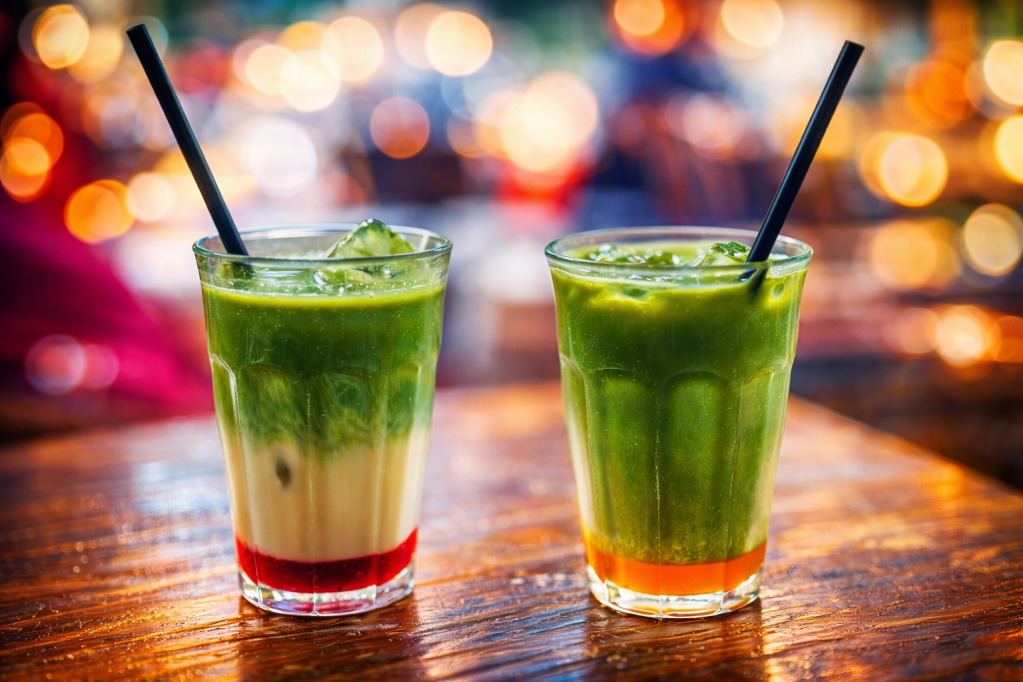
In the 1100s, matcha was introduced to Japan by a Buddhist monk who returned from study in China. The idea of the leaves being consumed along with the drink rather than steeped was a novel idea, but the concept was a hit. Camelia sinensis (Chinese tea) seeds were planted around Japan, and matcha eventually became a unique part of Japanese culture we all know today. 900 years later, matcha is now a huge trend in the US. Matcha lattes, matcha boba, matcha ice cream, matcha cake, matcha mochi. So why is matcha so popular? And why is it so expensive?
You’ve probably had a matcha strawberry latte before. Matcha powder, milk, strawberry puree, and tons of sugar. Simple, yet delicious. The umami flavor of the matcha contrasts and blends perfectly with the smooth creamy texture of the milk and the bold fruity sweetness of the strawberry. Do you remember why you first tried matcha? Maybe because you saw people drinking it on TikTok? Starting in the 2010s, there was a huge boom in Asian cuisine and snacks in America. Rice cakes, Boba, and Korean corn dogs are just a few examples of Asian snacks popularized in the US. The bold and balanced flavors, uniqueness, and culture associated with Asian cuisine became a huge hit, and it quickly spread around America. Out of this Asian food boom in the US, matcha became one of the most popular drinks. When social media started gaining traction, matcha did as well through popular influencers and celebrities online.
From being valued at around 50 million U.S. dollars in the early 2010s to now being an almost 700 million dollar market, matcha consumption has reached an all time high in the States. This massive demand for matcha has caused a strain on Japanese matcha farms, with demands significantly outpacing matcha output. There are a few key reasons for matcha underproduction, the most notable being the long and laborious production process, climate change, and aging farmers.
Here is what it takes to make one cup of matcha: five years of growing a camellia sinensis sapling to get viable matcha leaves, known as tencha. After waiting a whole 5 years for the plant to mature, you can finally harvest the leaves. Just kidding. You now have to shade the plant for a month before picking them to boost chlorophyll production, which enhances the flavor and health benefits. After picking the finest, healthiest looking leaves, you can now start the processing. Leaves are steamed for hours to prevent oxidation, then sun dried, a process which can take days. Now for the most tedious process: stone grinding. Leaves are slowly added into a granite stone mill, and the mill is steadily rotated either by hand or via electricity, gradually crushing the matcha leaves into particulates finer than a red blood cell. A 200 pound stone mill can only produce around 30 grams of matcha an hour, which ends up at around 15 cups of matcha drink. That’s barely enough matcha to supply America for half a second. This means that it takes 7,200 stone mills to produce just enough matcha for America alone. No wonder Japan is struggling to keep up with our demands.
In addition to the immense time and labor it takes to produce matcha, the shifts in temperature and climate are just making things worse. Remember the shading process I mentioned earlier? Higher temperatures are reducing the effectiveness of shading, causing leaves to become stressed and lose their flavor. Altered rain patterns increase the frequency of devastating droughts and floods, stunting growth and degrading leaf quality. Not only is it getting harder to grow matcha, but matcha farmers are getting old. Almost all matcha farmers are over 65 years old, and the labor intensive job is taking a toll on their physical and mental health. These challenges in producing matcha leaves have caused over 75 percent of the matcha farmers to retire. Plus, very few young people want to take over family matcha farms and instead opt for less labor-intensive work. After covering the reasons why matcha supply has been quickly shrinking, it’s pretty easy to understand why matcha prices have risen by over 50% in the past couple of years.
Although matcha was invented almost a thousand years ago, the concept and purpose of matcha has evolved substantially, growing from a healing and ritualistic drink to one that has become trendy and consumerist. The matcha market has expanded exponentially, and the unrelenting demand for matcha has nearly collapsed the sale of matcha altogether. Next time you drink matcha, whether in a boba tea or a latte, take a moment to appreciate the work and time it took to make the world’s new drink obsession.


Leave a Reply