…
By: Kailey L. ’29 & Avigail M. ’29
People are paying hundreds, and even fighting over, these small, furry dolls.
Meet the viral Labubus: the scary-looking but strangely adorable collectible dolls from Chinese toy maker Pop Mart. Celebrities from Rihanna to Kim Kardashian to Blackpink’s Lisa have added them to their collections, and the global craze has tripled Pop Mart’s profits in just one year, its IPO soaring near $1.8 billion. How did these little dolls take over the world?
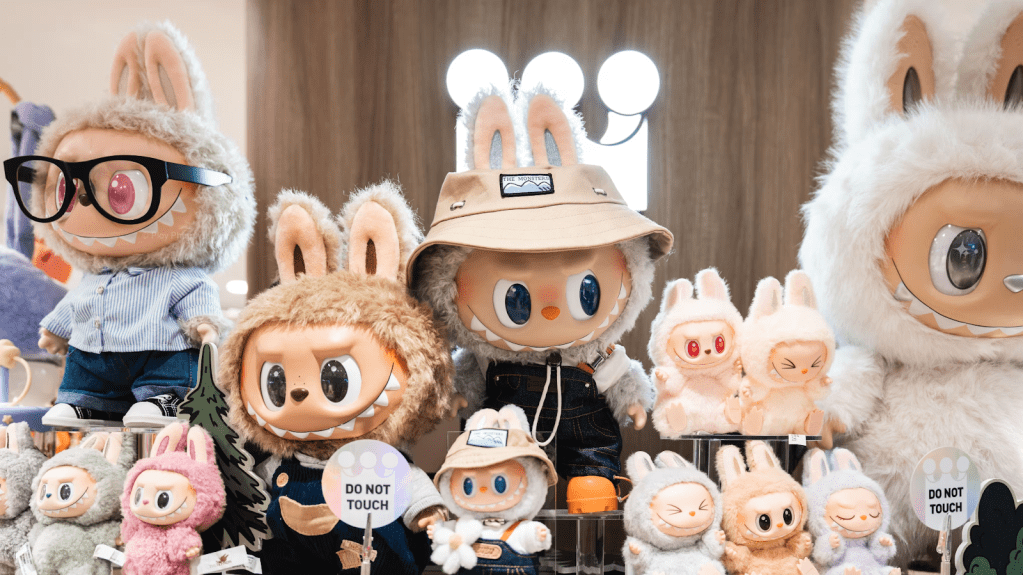
Entrepreneur Wang Ning launched Pop Mart as a variety store in 2019, initially selling a different line called “Molly dolls.” A key part of Pop Mart’s success has been its “blind boxes,” where customers only discover which doll they’ve bought after opening the package. However, it was Labubu sales that really fueled the company’s growth. By December 2020, Pop Mart began selling shares on the Hong Kong Stock Exchange, which had shot up by more than 500% in the past year.
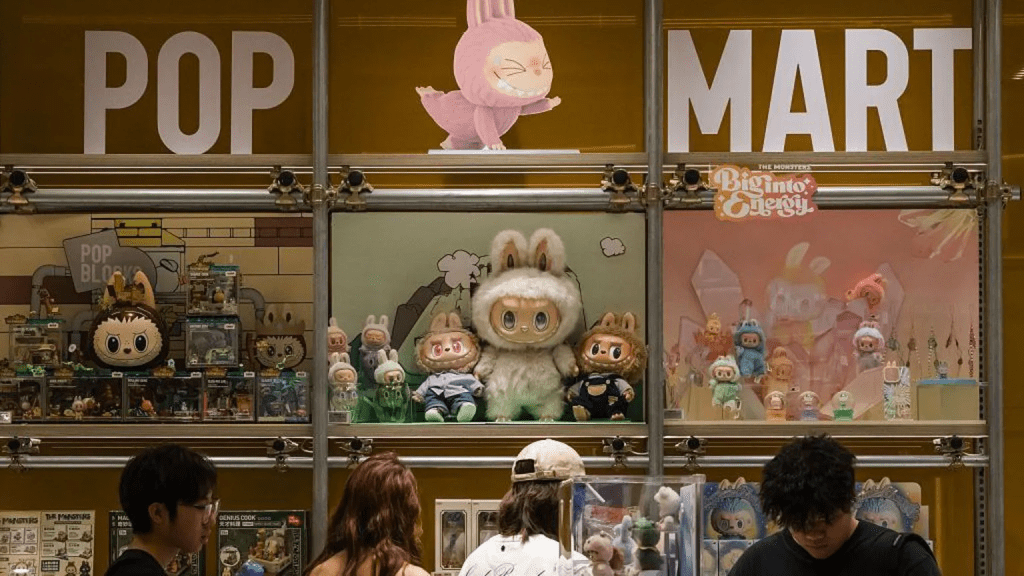
Before gaining global admiration, Labubu’s fame stayed in China. They started to grow in popularity in late 2022, a trend that quickly spread to neighboring Southeast Asian countries.
Labubu’s were suddenly in the spotlight in April 2024, when K-pop star Lisa posted Instagram photos featuring numerous Labubu dolls. Soon after, other celebrities joined in, posting their own doll collections. Through social media virality, celebrity endorsements, and the element of mystery from the blind boxes, Labubu dolls became so common that they were no longer just an online sensation but instead a familiar sight in everyday life.
The Fall of Labubus
Like any other trend from the past, the demand for Labubus has already begun to fall. Recently, over 5,000 Counterfeit Labubus were sold at 60-70% of the retail price, the perpetrators gaining around $1.67 million before arrest. Already, many are beginning to question the authenticity of Labubus. Furthermore, many are now seeing Labubus as a symbol for over consumption, and content creators have begun deeply criticizing this popular doll.

During periods of economic and cultural uncertainty, many have found comfort in these types of trending toys, attempting to find a sense of belonging in the growing community of said items and trying to find an escape from the burdens of adulthood. However, with the extreme popularity of Labubus, many have begun labeling Labubus as a symbol of manic overconsumption, or “emotional” consumerism, criticizing how the craze has caused significant waste and financial strain, and encourages unsustainable purchasing habits.
Additionally, others claim that Labubus represent late-stage capitalism, due to their mass production and the way that they are marketed, and blame Pop Mart for turning something that was once special into a profit-generating product. Some have even gone so far as to call Labubus “demonic,” calling out their resemblance to a demon. However, these claims are false, as the creator himself has asserted that they are meant to be inspired by European fairy tales.



 The Gryphon Gazette
Leave a comment