…
By: Revant D. ’28
Talks in Busan, South Korea, on December 1, 2024, to establish an international plastic pollution treaty among over 200 countries ended without agreement. For two years, the delegates of these nations have worked to develop a landmark global agreement to tackle plastic pollution — a staggering problem with widespread implications for the planet and human health. The UN designed this treaty with an ambitious target to “End Plastic Pollution,” which would align signatory countries under a common goal. The treaty aimed to develop an international, legally binding treaty on the entire life cycle of plastic pollution.
Scope of the Problem
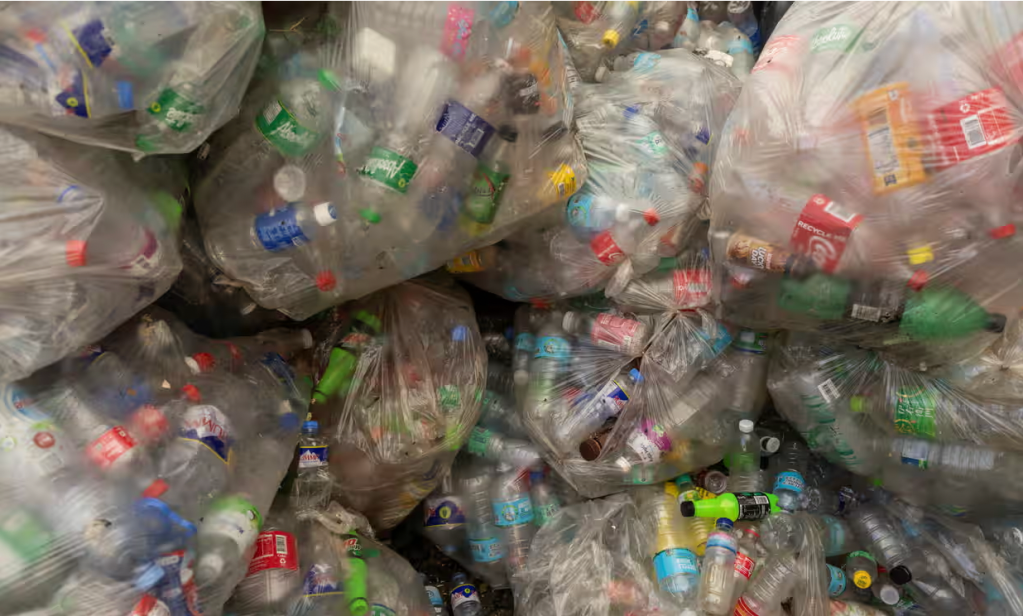
According to the OECD Economic Drivers report, the world produces nearly half a billion tons of plastic, more than twice the amount produced two decades ago. And only an estimated 9 percent of plastic waste generated globally is recycled. Researchers have estimated that one garbage truck’s worth of plastic enters the ocean every minute. The United States ranks as the world’s leading contributor of plastic waste, generating about 130 kilograms, or roughly 287 pounds, of plastic per person each year, according to a 2021 study from the National Academy of Sciences. In 2016, the study found that the United States produced 42 million metric tons of plastic waste — almost twice as much as China and more than the European Union.
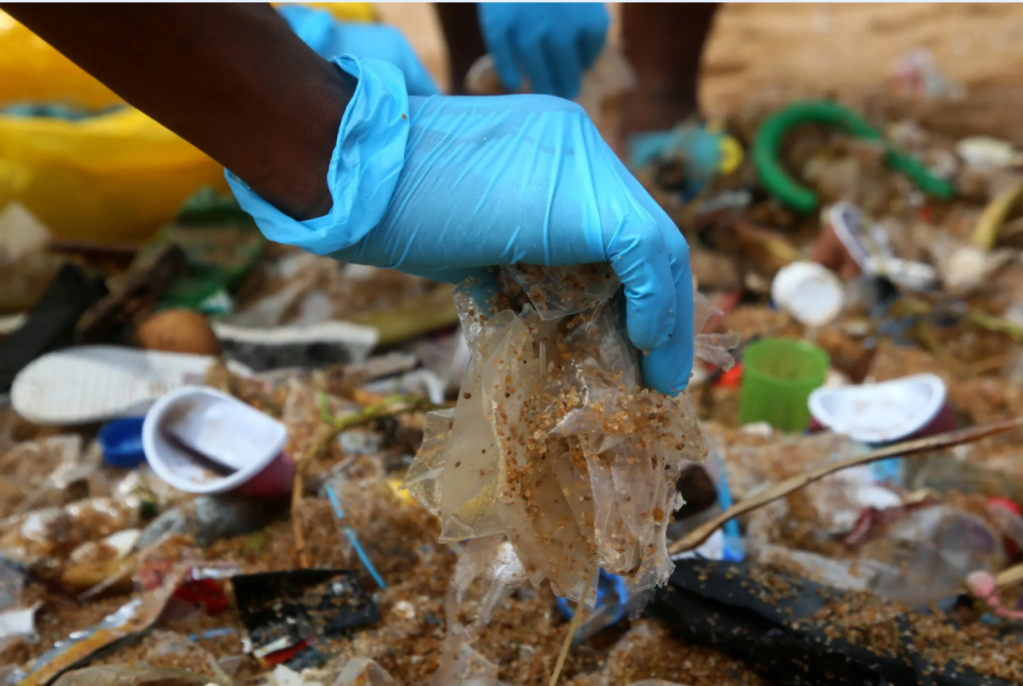
Many of the plastics that become waste are single-use products. Single-use plastics, which can persist for centuries, often pollute land, waterways, and oceans. As they degrade, they form microplastics—particles under five millimeters—found from Antarctic snow to human bodies. The health effects of microplastics remain uncertain, but concerns are mounting due to their toxic chemical content and research indicating that humans and other biodiversity are ingesting, inhaling, and consuming these particles in more significant quantities than previously estimated.
The Goal of the Global Treaty
To combat plastic pollution effectively, environmentalists emphasize the need for a treaty that limits plastic production, potentially through global caps or a ban on single-use plastics. They also advocate for regulating the toxic chemicals used in plastic manufacturing to address associated health and environmental risks. The UN treaty obligates nations to develop a comprehensive, legally binding agreement that addresses improving recycling and managing plastic waste, as well as limiting plastic production. That could put measures, such as bans on single-use plastics, a significant waste driver, on the table. The UN agreement advocates redesigning plastic products to enhance reuse and recyclability, improving waste management, and addressing pollution cleanup. Participating countries could fulfill the treaty’s objectives via voluntary actions or binding commitments. Non-signatory nations might still face accountability through trade restrictions on plastics included in the treaty.

The Bottleneck
Even after two years of discussions, the delegates of almost 200 nations disagreed on the details of the Pollution Prevention Treaty. Diplomats struggled to bridge vast differences, including whether or not the treaty should limit plastic production. Some of the world’s largest petroleum producers, like Russia and Saudi Arabia, vehemently opposed any measure restricting plastic production. The Saudi Arabia delegate stated, “If you address plastic pollution, there should be no problem with producing plastics because the problem is the pollution, not the plastics themselves.” The vast majority of the world’s plastic is made from petroleum. Instead, representatives from those countries argued that the treaty should focus on improving recycling and waste management. However, some other nations were adamant that the treaty must contain binding provisions for a global target to reduce the production of primary plastic polymers to sustainable levels.
Plastic pollution is a planetary crisis:a threat that affects everyone. By one measure, the total amount ever produced is greater than the weight of all land and marine animals combined. The meeting in South Korea was an unprecedented opportunity to secure an impactful plastics treaty that protects our health, biodiversity, and climate remains within reach. The world needs a binding treaty with decisive action against plastic pollution. However, it is encouraging to see many countries united in the shared ambition to rid our planet of plastic pollution




 The Gryphon Gazette
Leave a comment