By David L. ‘27
Professional athletes are amongst the most celebrated people in the world, but this is sadly not reflected in their paychecks. Players’ salaries in different sports vary greatly, which raises concerns about equity and justice in the sector. From soccer fields to basketball courts, the main causes of salary disparities are league popularity, gender, and the amount of money a sport brings in.
Consider basketball as an example. NBA players are among the highest-paid athletes in the world. Superstars like LeBron James and Steph Curry rake in millions annually from their contracts and endorsement deals, which also reach into the millions. In contrast, WNBA players, who compete in professional women’s basketball, earn considerably less. Even the highest-paid WNBA players are limited by the pay cap to earning less than $250,000 annually, which is a negligible amount in comparison to the NBA’s multi-million dollar contracts. This disparity in wages is not limited to basketball. Similar disparities may be seen in soccer, the most popular sport in the world. Male soccer players in top leagues like the English Premier League or La Liga can earn millions from their contracts, while female players in similar leagues receive only a small portion of that. Despite the U.S. Women’s National Soccer Team’s ongoing fight for equal pay, advancements have been slow and inconsistent. Although players in Major League Baseball (MLB) and the NFL get large contracts, economic inequality is still a problem in these leagues. While rookies and lesser-known sportsmen frequently struggle to attain financial security, elite athletes make incredible sums of money. In minor league baseball, for instance, players might earn as little as $12,000 a year, leading many to seek additional employment.
So, why do these disparities occur? One issue is revenue generation. NBA and NFL sports accrue billions by way of broadcasting rights, sponsors, and merchandise; teams can therefore pay players very well. Less popular leagues bring in fewer revenues and thus are limited in what they can pay. Historically, traditional male-dominated sports have benefited from greater fan support, sponsorships, and media attention. Less fortunate leagues and events find it difficult to break the cycle of unequal funding. Increased marketing and promotion of women’s sports could help close the gap, according to advocacy groups. Male athletes from high-profile leagues receive multi-million dollar endorsement deals, while female athletes or players from less popular sports have few chances to sign such deals. This scenario increases the financial gap because endorsements can bring significant income to an athlete.
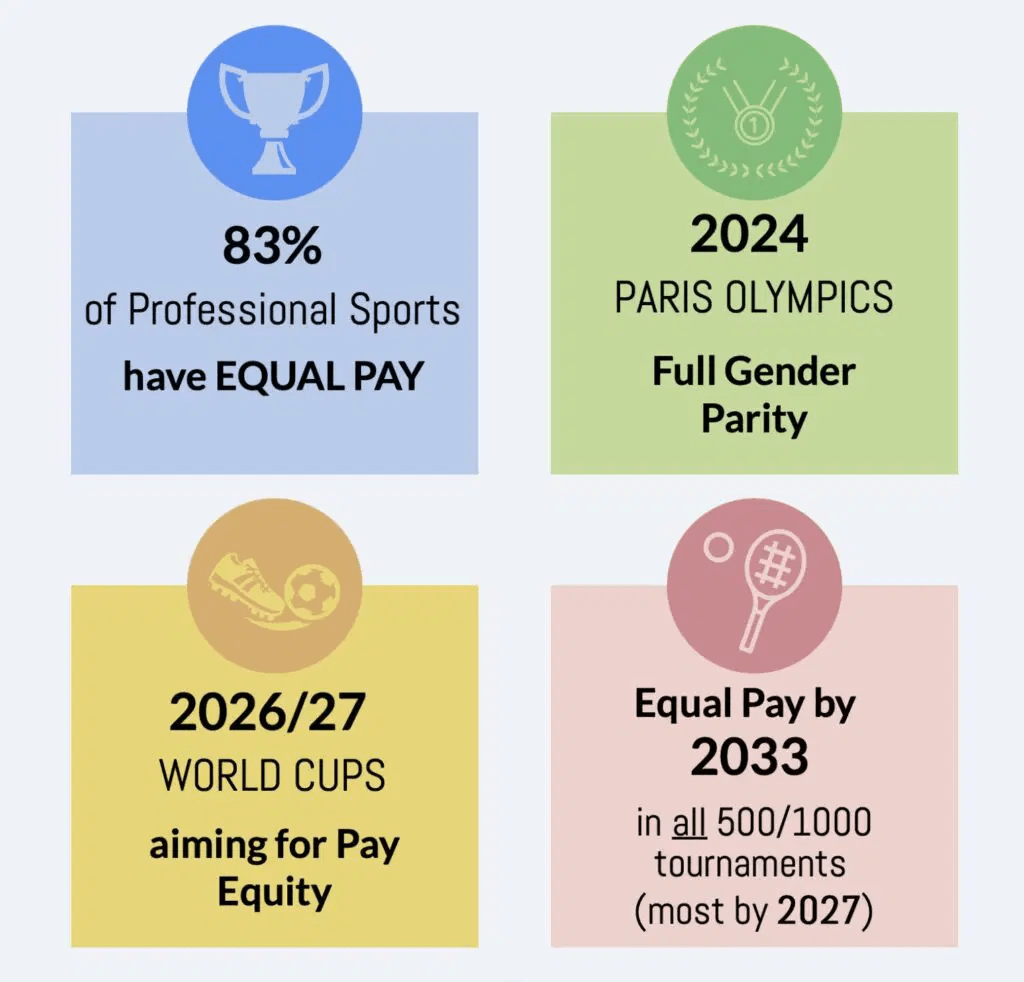
Pay equality in sports is a complicated issue, but there are signs of change. Movements for equal pay have gained momentum, with both athletes and fans speaking out for more equitable compensation structures across the board. Efforts to grow women’s sports, such as increased TV coverage and sponsorship opportunities, started to yield results. While progress is slow, greater awareness and advocacy might be just what is needed to tip the scales into a better balance for professional athletics in the future.



 The Gryphon Gazette
Leave a comment